Water Damage Mitigation in Wilmington, NC
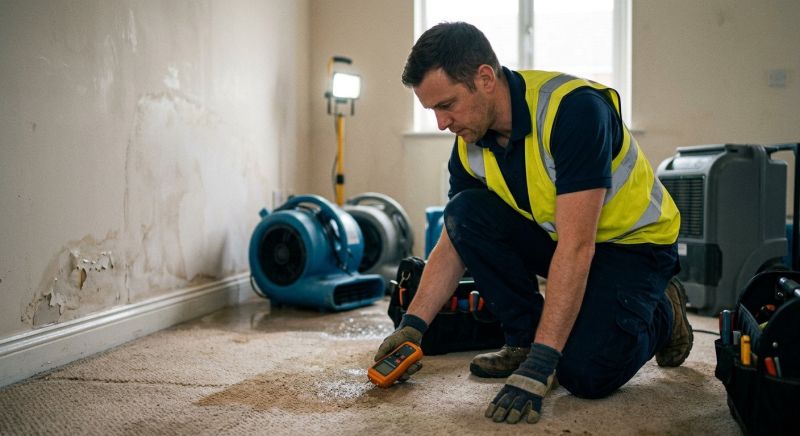
Water damage mitigation services involve assessing and reducing the impact of water intrusion in residential properties. These services typically address situations such as flooding from storms, plumbing leaks, or appliance failures, and focus on removing excess water, drying affected areas, and preventing further damage like mold growth or structural issues. Projects may include water extraction, moisture removal from walls and flooring, and sanitation measures to ensure the property is safe and dry. Property owners often want to understand the scope of work involved, the types of damage covered, and the steps taken to restore the property’s safety and integrity.
Before requesting water damage mitigation, homeowners should consider the extent of the water intrusion and whether there is visible damage or lingering moisture. It’s helpful to know if the affected areas include critical spaces like basements, kitchens, or bathrooms, and whether there has been any prior repair or cleanup. Clarifying the process for removing water, drying out the property, and preventing mold can help property owners make informed decisions. Understanding these aspects ensures that the mitigation services effectively address the specific needs of the property and minimize long-term issues.
Many property owners in Wilmington, NC look into Water Damage Mitigation for repairs, replacements, upgrades, and appearance-related improvements.
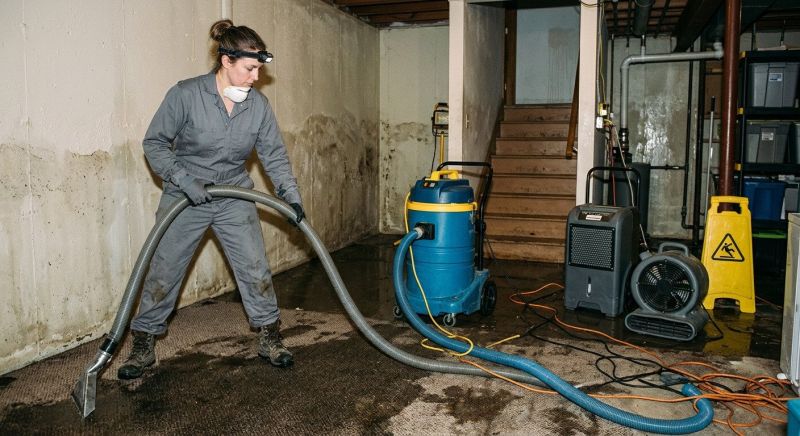
Water Damage Prevention
Strategies to reduce the risk of water intrusion and damage in homes and businesses.
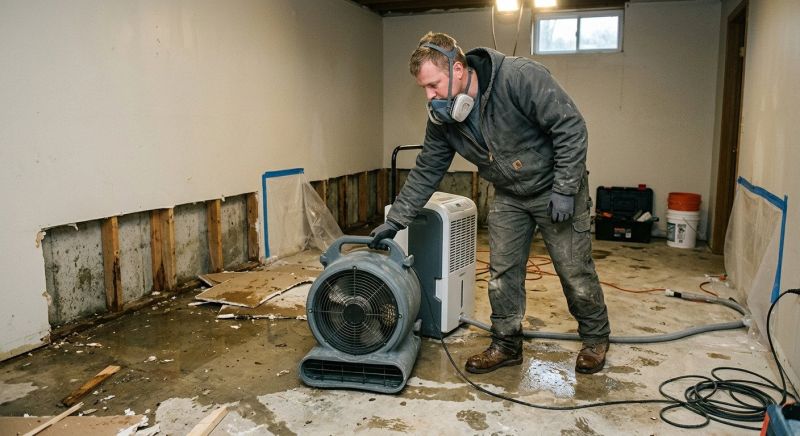
Damage Assessment & Inspection
Comprehensive evaluations to identify affected areas and determine the extent of water-related issues.
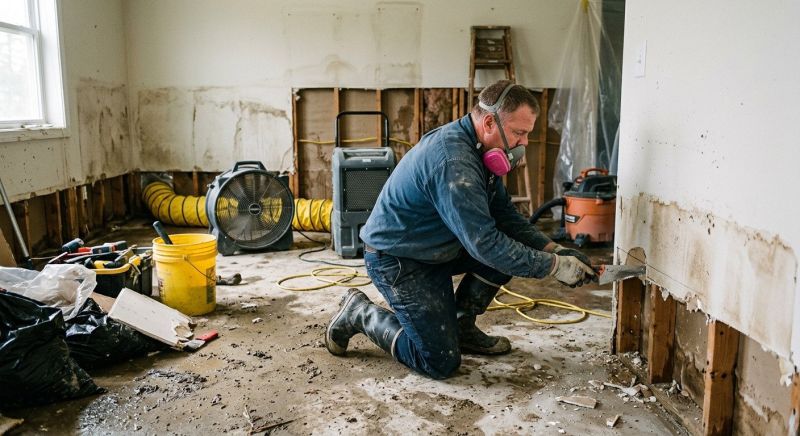
Restoration & Drying Solutions
Effective techniques to remove excess moisture and restore property integrity after water exposure.
Water Damage Mitigation in Wilmington, NC
Water damage mitigation services involve assessing and reducing the impact of water intrusion in residential properties. These services typically address situations such as flooding from storms, plumbing leaks, or appliance failures, and focus on removing excess water, drying affected areas, and preventing further damage like mold growth or structural issues. Projects may include water extraction, moisture removal from walls and flooring, and sanitation measures to ensure the property is safe and dry. Property owners often want to understand the scope of work involved, the types of damage covered, and the steps taken to restore the property’s safety and integrity.
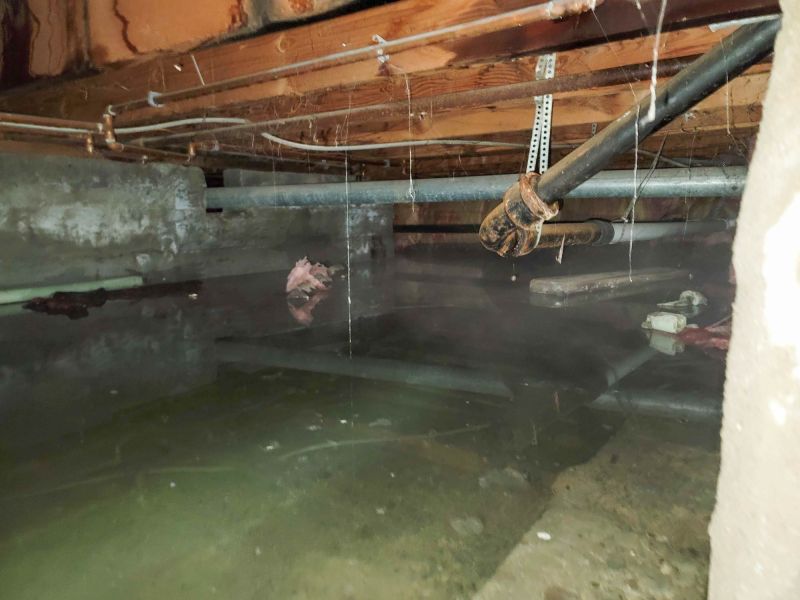
Before requesting water damage mitigation, homeowners should consider the extent of the water intrusion and whether there is visible damage or lingering moisture. It’s helpful to know if the affected areas include critical spaces like basements, kitchens, or bathrooms, and whether there has been any prior repair or cleanup. Clarifying the process for removing water, drying out the property, and preventing mold can help property owners make informed decisions. Understanding these aspects ensures that the mitigation services effectively address the specific needs of the property and minimize long-term issues.
Many property owners in Wilmington, NC look into Water Damage Mitigation for repairs, replacements, upgrades, and appearance-related improvements.
Common Water Damage Mitigation Jobs
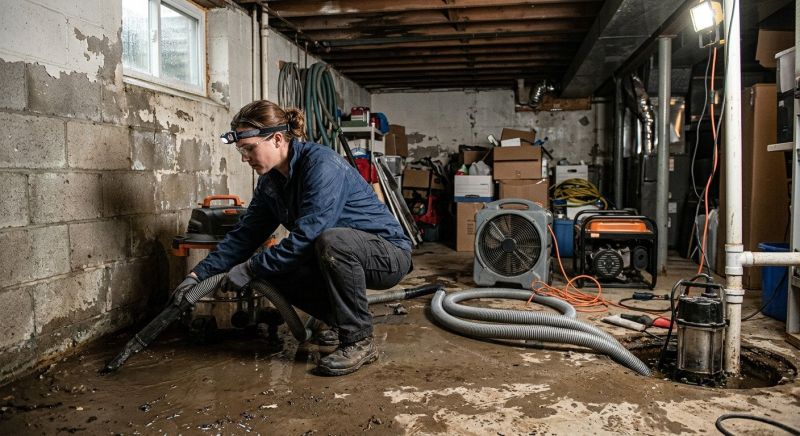
Water Extraction - removing standing water to prevent further damage and mold growth.
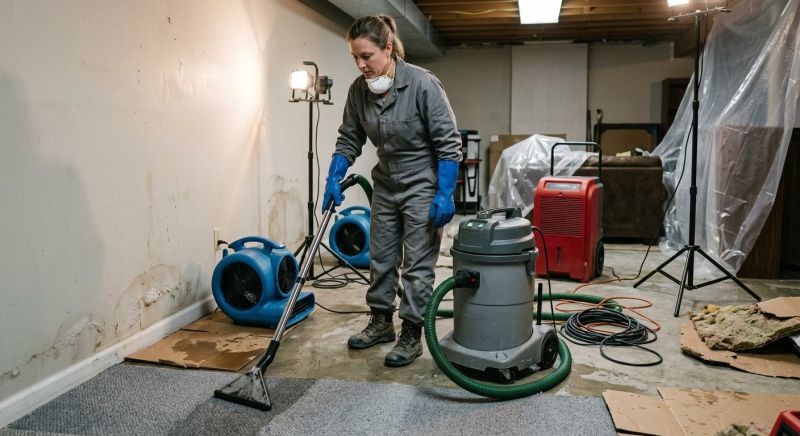
Structural Drying - drying out affected building materials to restore stability.
Mold Prevention - applying treatments to inhibit mold development after water intrusion.
Content Drying - restoring soaked belongings through specialized drying techniques.
Damage Assessment - inspecting affected areas to determine necessary mitigation steps.
Dehumidification - reducing moisture levels to prevent secondary water damage issues.
Water Damage Mitigation Questions
What is water damage mitigation? It involves removing excess water, drying affected areas, and preventing mold growth after flooding or leaks.
When should property owners consider mitigation services? As soon as water intrusion is detected to minimize structural damage and mold development.
What types of water damage are addressed by mitigation? Damage from burst pipes, leaks, flooding, or storm-related water intrusion are typically managed.
How does mitigation help protect a property? It reduces the risk of structural issues, mold growth, and further deterioration caused by excess moisture.
Request Water Damage Mitigation in Wilmington, NC
Use the quote form on this page to share the basics of your project and request more information for the type of work you need.