Storm Damage Cleanup in Phoenix, AZ
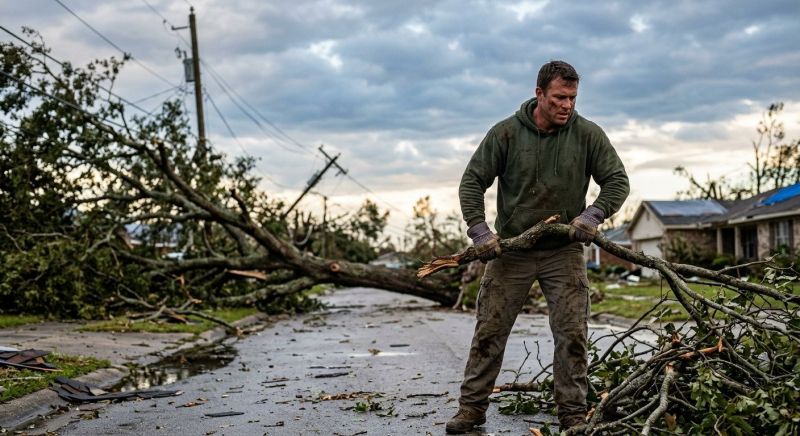
Storm damage cleanup services involve removing debris, fallen trees, and damaged materials caused by severe weather events such as storms, high winds, hail, or heavy rain. These projects typically include clearing yard debris, tarping damaged roofs, removing broken branches from trees, and addressing structural damage to restore safety and appearance. Property owners often want to understand the scope of cleanup needed after a storm, the types of debris involved, and the importance of timely removal to prevent further damage or safety hazards.
Before requesting storm damage cleanup, homeowners should assess the extent of the damage and identify any immediate safety concerns, such as downed power lines or unstable structures. It is also helpful to determine whether there are any restrictions or permits required for debris removal or repairs in the area. Clear communication about the specific types of storm-related damage and the property’s current condition can assist in planning an effective cleanup process.
Many property owners in Phoenix, AZ look into Storm Damage Cleanup for repairs, replacements, upgrades, and appearance-related improvements.
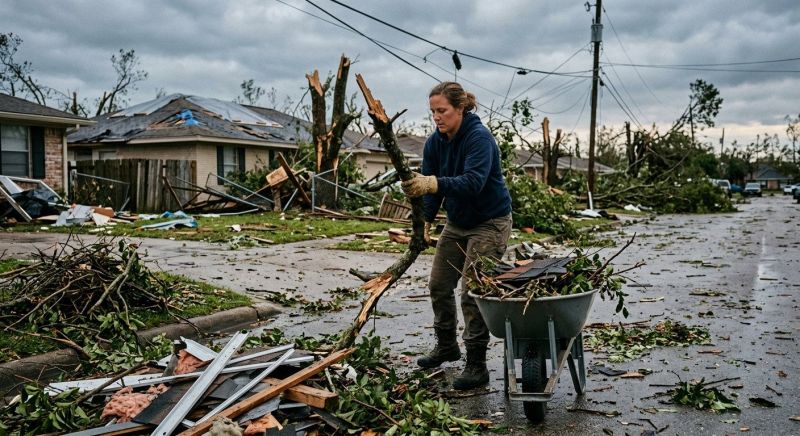
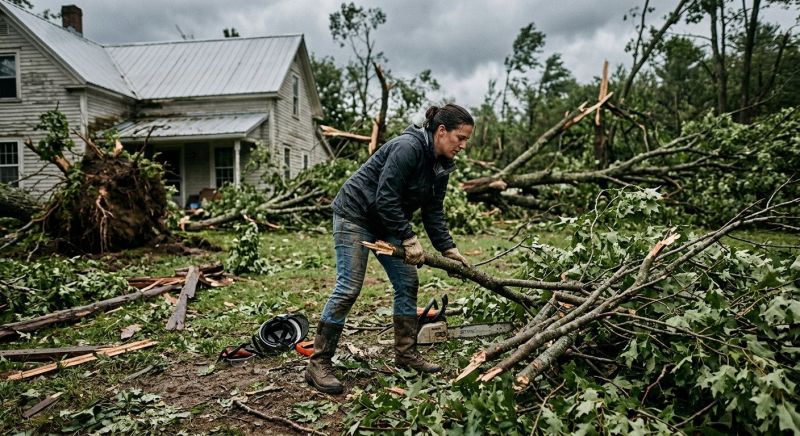
Storm Debris Removal
Clearing fallen branches, leaves, and other debris after a storm to restore safety and appearance.
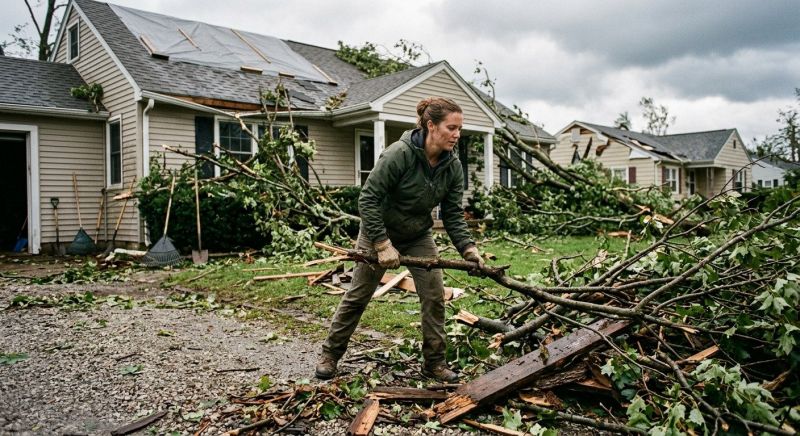
Roof And Structural Inspection
Assessing damage to roofs, gutters, and building structures caused by strong winds and hail.
Property Restoration And Repairs
Restoring damaged fences, siding, and outdoor features to their pre-storm condition.
Storm Damage Cleanup in Phoenix, AZ

Storm damage cleanup services involve removing debris, fallen trees, and damaged materials caused by severe weather events such as storms, high winds, hail, or heavy rain. These projects typically include clearing yard debris, tarping damaged roofs, removing broken branches from trees, and addressing structural damage to restore safety and appearance. Property owners often want to understand the scope of cleanup needed after a storm, the types of debris involved, and the importance of timely removal to prevent further damage or safety hazards.
Before requesting storm damage cleanup, homeowners should assess the extent of the damage and identify any immediate safety concerns, such as downed power lines or unstable structures. It is also helpful to determine whether there are any restrictions or permits required for debris removal or repairs in the area. Clear communication about the specific types of storm-related damage and the property’s current condition can assist in planning an effective cleanup process.
Many property owners in Phoenix, AZ look into Storm Damage Cleanup for repairs, replacements, upgrades, and appearance-related improvements.
Common Storm Damage Cleanup Jobs
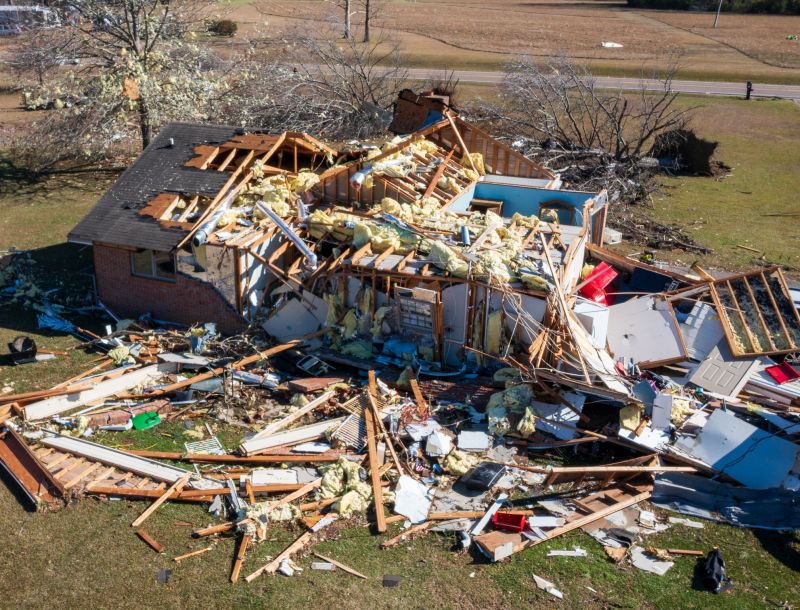
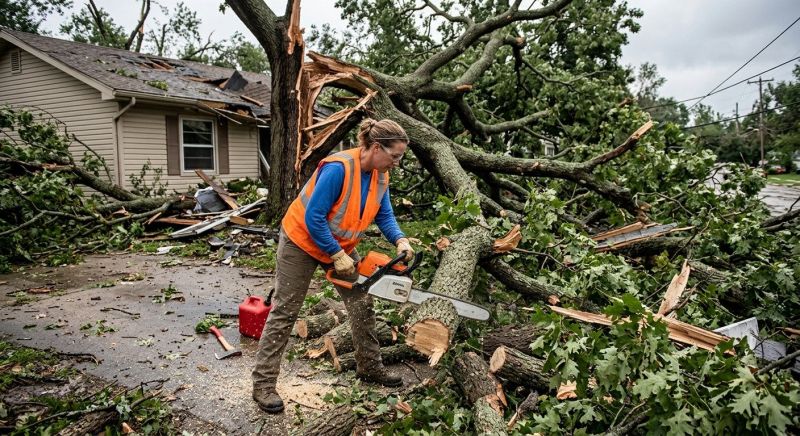
Storm damage cleanup services remove fallen trees, branches, and debris from residential properties.
They restore safety by clearing hazards caused by storm-related damage.
Services include debris hauling, roof tarping, and securing loose structures.
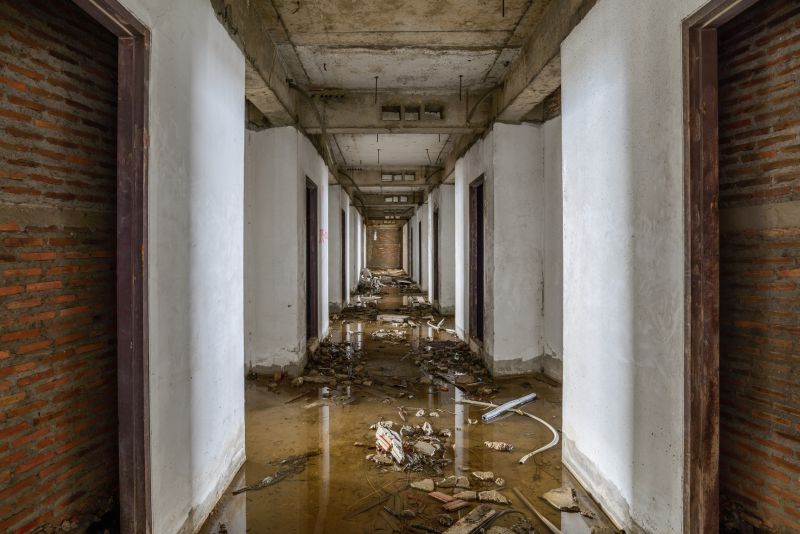
Storm damage cleanup helps prevent further property deterioration and water intrusion.
Professional crews assess damage to determine necessary removal and repairs.
Prompt cleanup minimizes the risk of mold, pests, and structural issues.
Storm Damage Cleanup Questions
What types of storm damage cleanup services are available? Services include removal of fallen trees, debris clearing, roof tarping, and water extraction to protect the property.
How can storm damage affect my property? Storm damage can lead to structural issues, water intrusion, and further deterioration if not addressed promptly.
What should be done immediately after a storm? It is important to assess the damage safely, remove hazards, and contact a professional for damage assessment and cleanup.
Are there specific storm events that require cleanup services? Yes, events such as heavy rain, strong winds, hail, and windstorms often cause damage necessitating cleanup efforts.
Request Storm Damage Cleanup in Phoenix, AZ
Use the quote form on this page to share the basics of your project and request more information for the type of work you need.